Canada & World Report: By Shaoren Gou — Thirty days before Toronto voters choose their next mayor and City Council, young people directly questioned municipal candidates about employment, housing, public safety, mental health, transportation and political participation during a civic engagement forum Saturday at historic St. Lawrence Hall.
Presented by YOUTH DAY Global as part of its 20th-anniversary celebrations, VOICES in the HALL 2026 combined youth-led policy presentations and candidate responses with singing, dance and performances by children and other young artists.
Organizers said the final number of people registered through Eventbrite was 237, while 72 municipal candidates had confirmed their participation. The evening brought together candidates for mayor and City Council, youth speakers, community volunteers, artists, exhibitors and members of the public in the third-floor Great Hall.
The setting carried historical significance. Built in 1850 following the Great Fire of 1849, St. Lawrence Hall stands on the site of an earlier market building where Toronto City Council met from 1834 to 1845. That direct connection to the city’s earliest municipal government made it a particularly fitting setting for a candidate forum.
In 1851, the hall hosted the North American Convention of Colored Freemen, where abolitionists and Black community leaders discussed freedom, settlement and civil rights. One hundred and seventy-five years later, the hall again served as a place where people sought a voice in public affairs—this time with young Torontonians questioning those seeking municipal office.
Guests entered the third-floor Great Hall during the early evening, and the program began at about 7 P.M. Markham Town Crier John Webster opened the event, followed by a land acknowledgement delivered by Mark Stenabaugh. The Canadian national anthem was performed by Rachael and Elizabeth, daughters of Bishop Dr. Phil Grey.
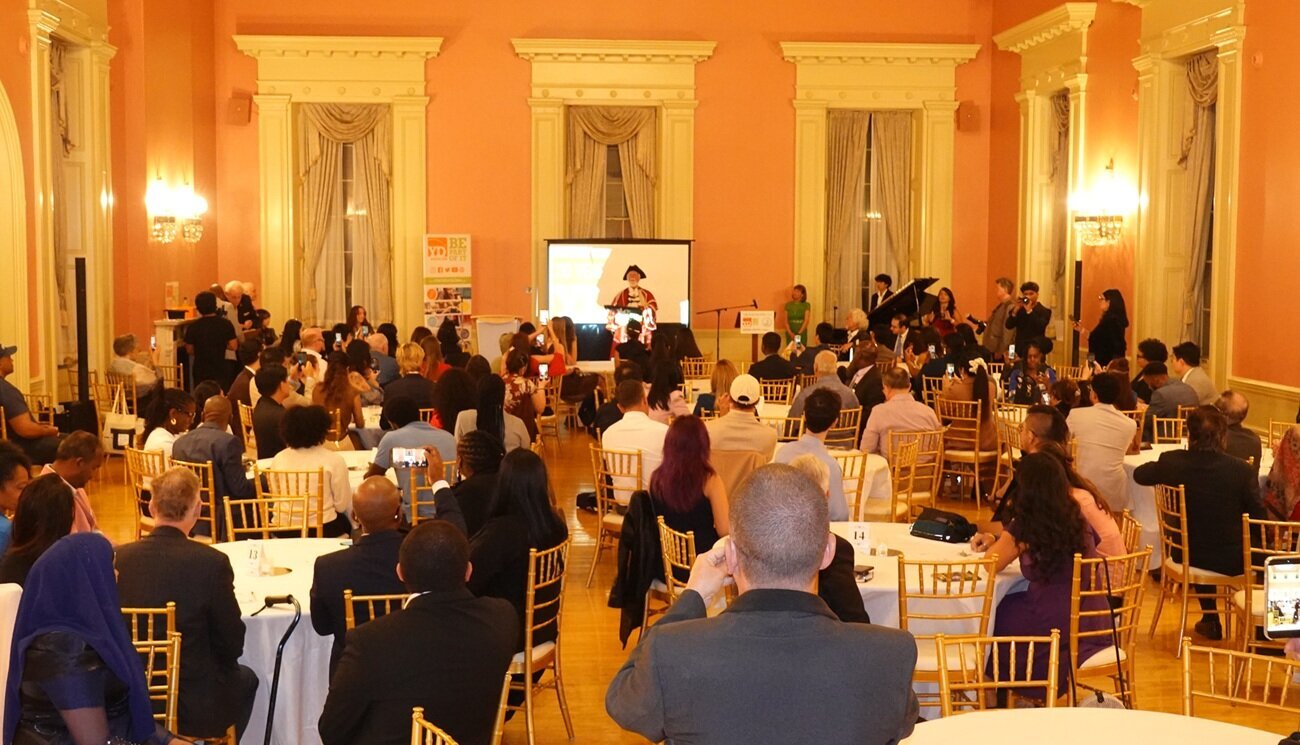
Markham Town Crier John Webster opens the event.
Masters of ceremonies Shien Victoria and Aari Malhotra introduced the evening. YOUTH DAY Global founder and producer Tylaine J.F. Duggan welcomed participants, followed by Hilton Milan, chairman of the Celebrations of Youth Organization.
Two videos introduced the history, scope and continuing work of YOUTH DAY Global. The first presented YOUTH DAY as a free nonprofit arts festival showcasing music, dance, visual art, photography, fashion and film created or performed by young people under the age of 29.
The second video showed how YOUTH DAY continued during the COVID-19 pandemic by adapting its live platform into 12 digital compilations of artists’ work on YouTube. Organizers said the digital presentations reached an even larger global audience than the festival had attracted at the height of its in-person programming at Yonge-Dundas Square.
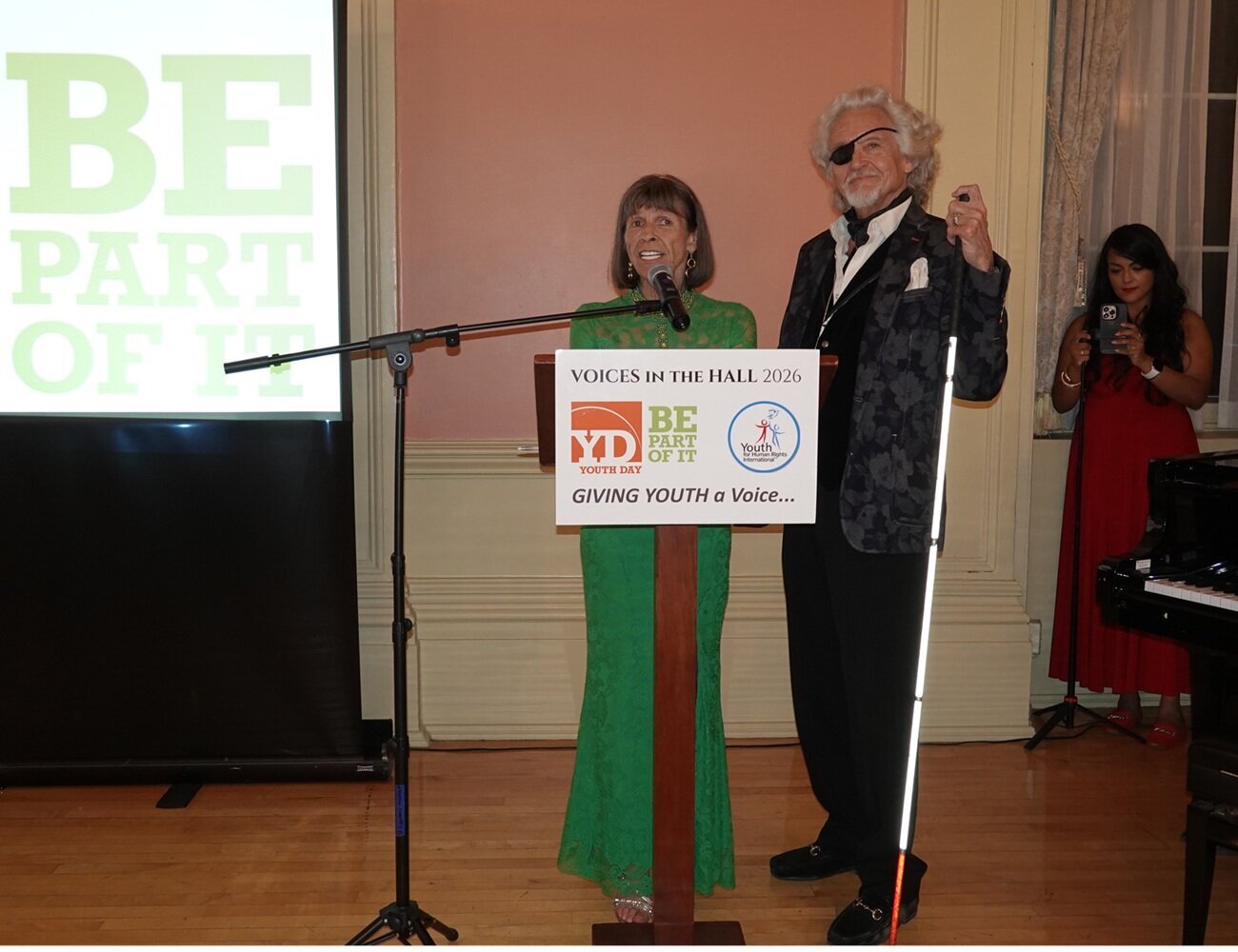
YOUTH DAY Global founder and producer Tylaine J.F. Duggan welcomes participants to VOICES in the HALL 2026.
Candidates were introduced in groups according to their assigned tables before the youth presentations and candidate-response sessions began.
The organizers’ published schedule did not present the nine policy areas only as broad themes. Each round was framed around a specific question. The first round, on youth employment, asked how young people could find real and stable jobs in Toronto. The second, on voter engagement, examined how youth could build direct trust with municipal leaders and ensure that their voices were heard. The third round addressed housing supply and asked whether young people could still afford to rent in the city. The fourth focused on public safety and the role of preventive programs in creating safer streets, while the fifth examined front-line mental-health services and the potential of community hubs to strengthen Toronto’s social safety net.
The sixth round asked candidates how they would reduce gridlock, improve daily commutes and address transit costs. The seventh focused on pathways into the skilled trades and municipal support for small businesses. The eighth examined how Toronto could preserve affordable spaces for artists and other creative workers. The ninth and final round addressed access to post-secondary education, with particular attention to inclusion, diversity and whether young people from different backgrounds had an equal seat at the table.
At the beginning of each round, a youth presenter was given approximately two minutes to explain the issue and its practical significance. The moderator then randomly selected three candidates. After stating their names and the offices or wards for which they were running, each candidate was given 90 seconds to respond. The town crier rang a bell when the allotted time expired. Across the nine rounds, the format created 27 candidate-response opportunities focused on specific youth concerns.
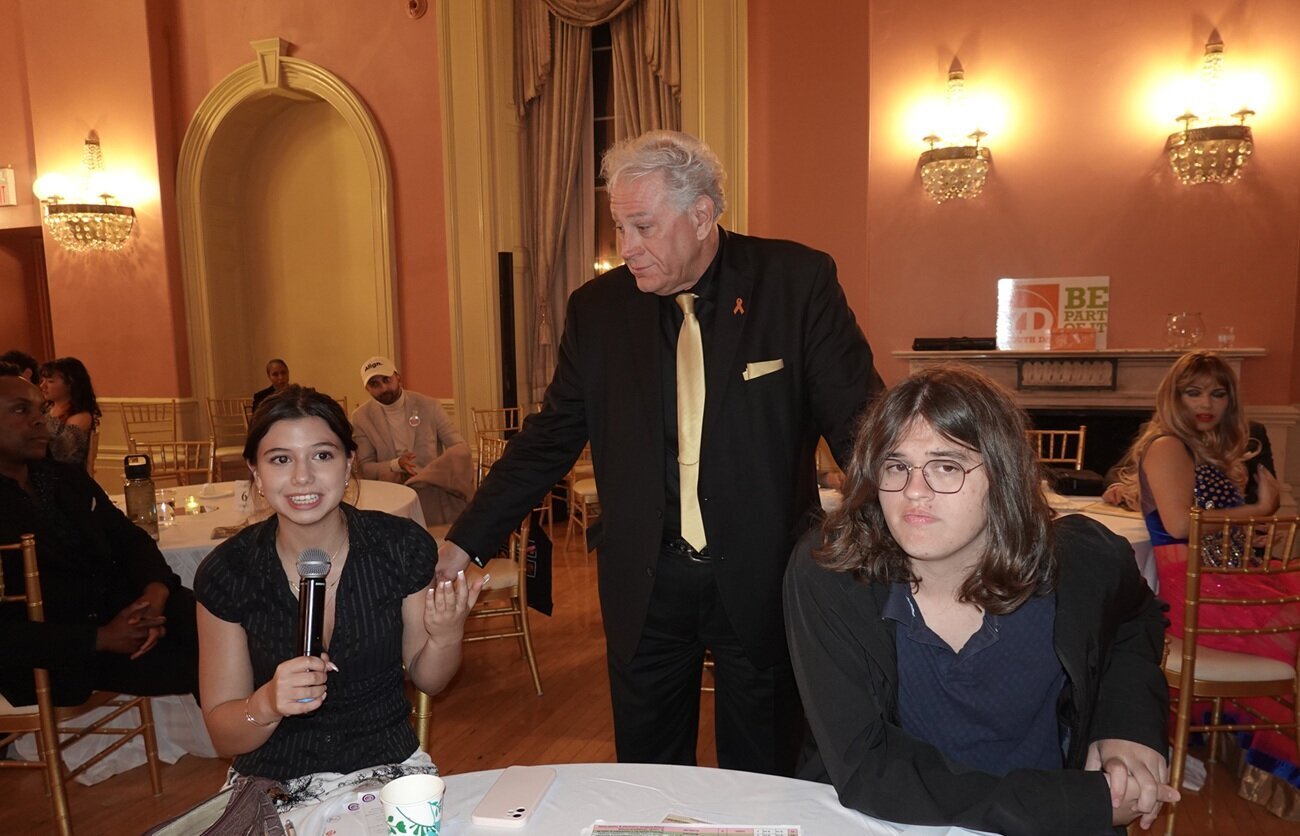
A young participant asks the candidates a question during VOICES in the HALL 2026.
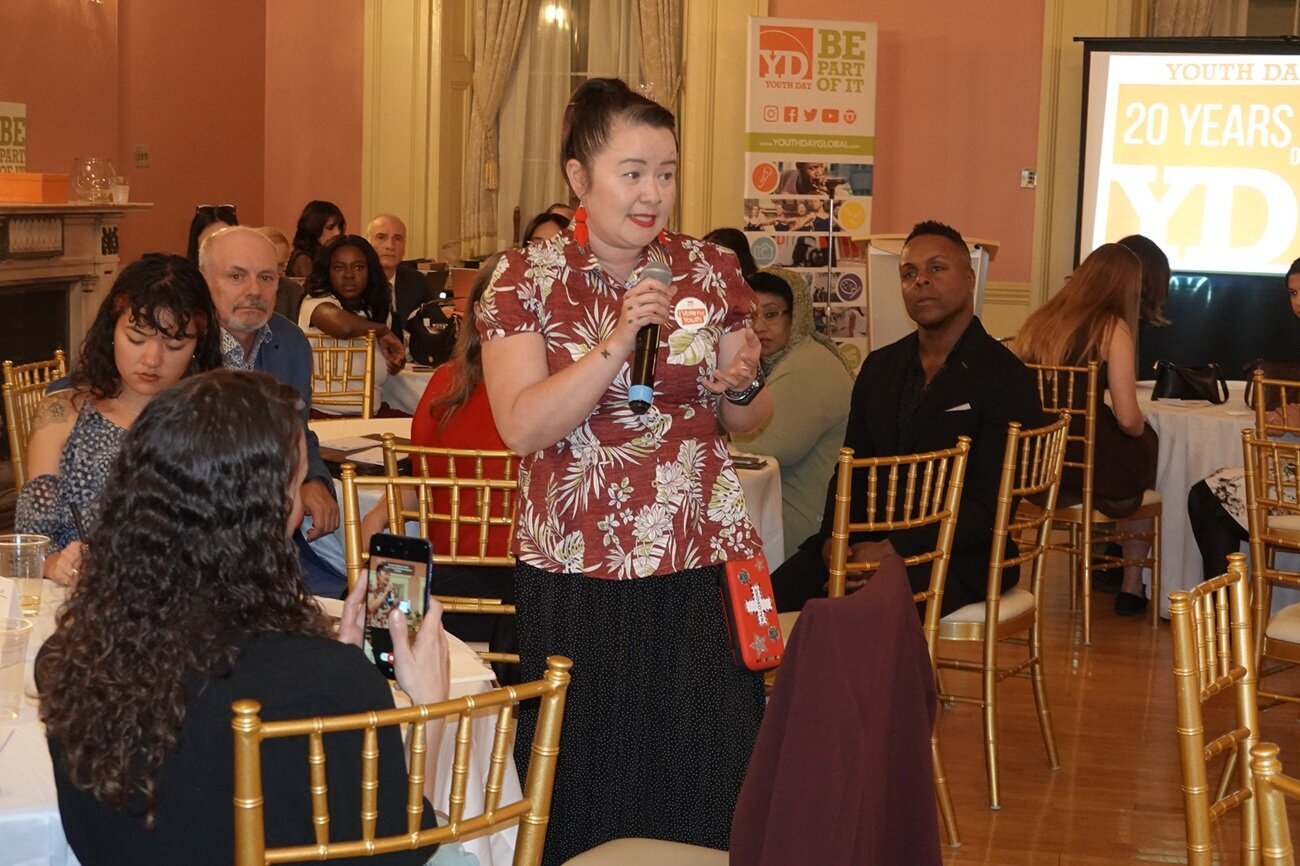
Victoria Davis, a candidate for Toronto City Council in Ward 13—Toronto Centre, responds to a question during VOICES in the HALL 2026.
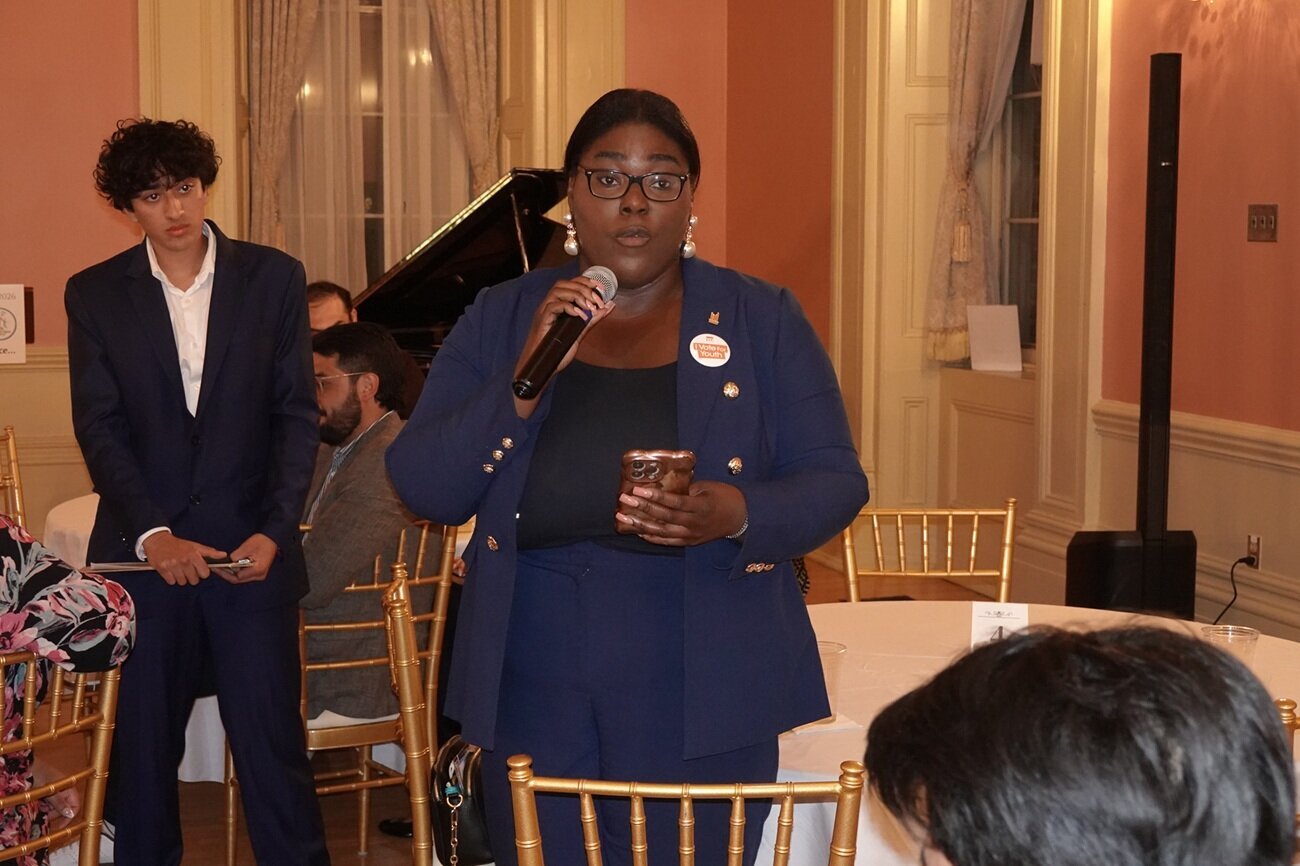
Lorna Antwi,a candidate for Toronto City Council in Ward 7—Toronto Centre, responds to a question during VOICES in the HALL 2026.
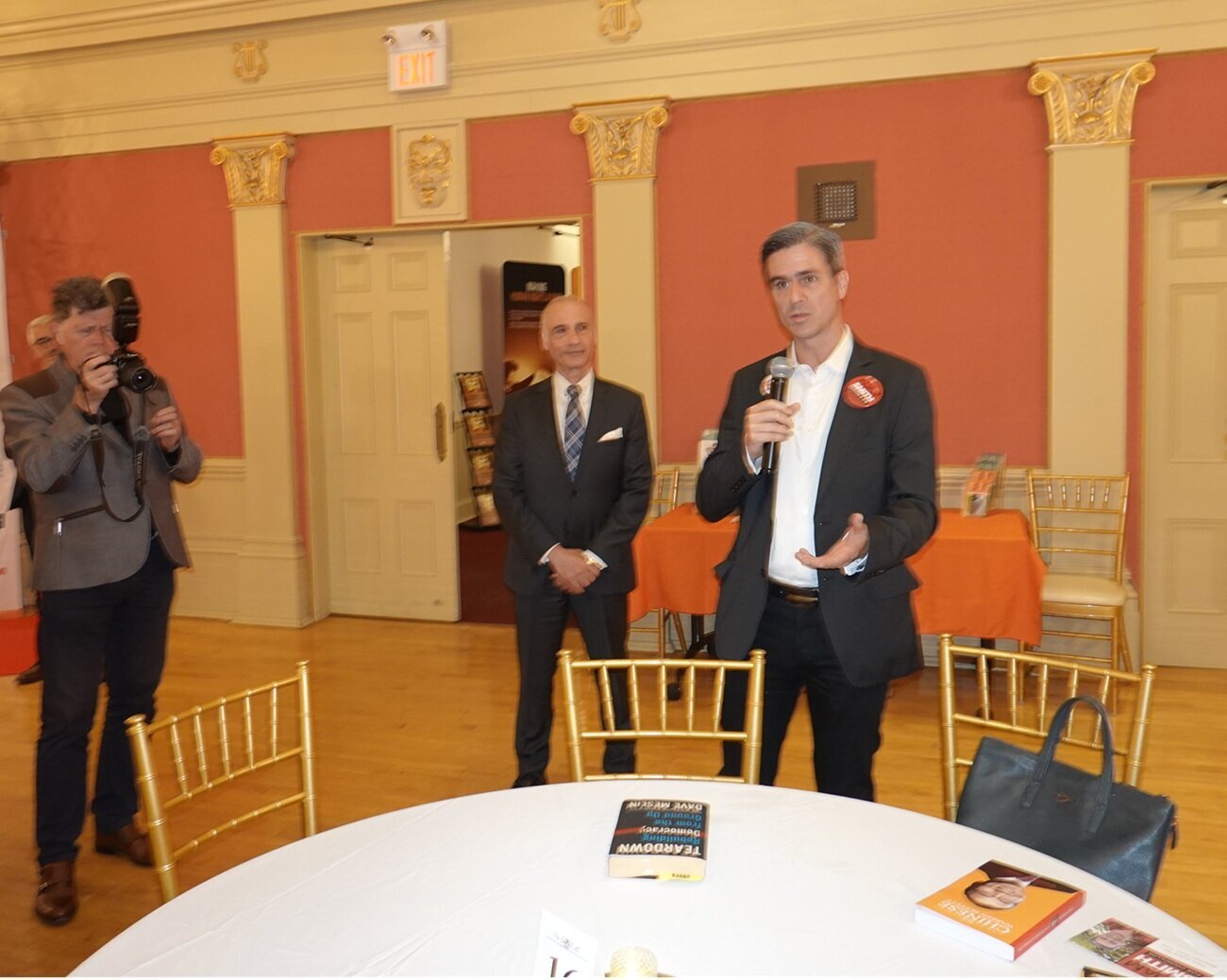
Adam Smith,a candidate for Toronto City Council in Ward 19—Toronto Centre, responds to a question during VOICES in the HALL 2026.
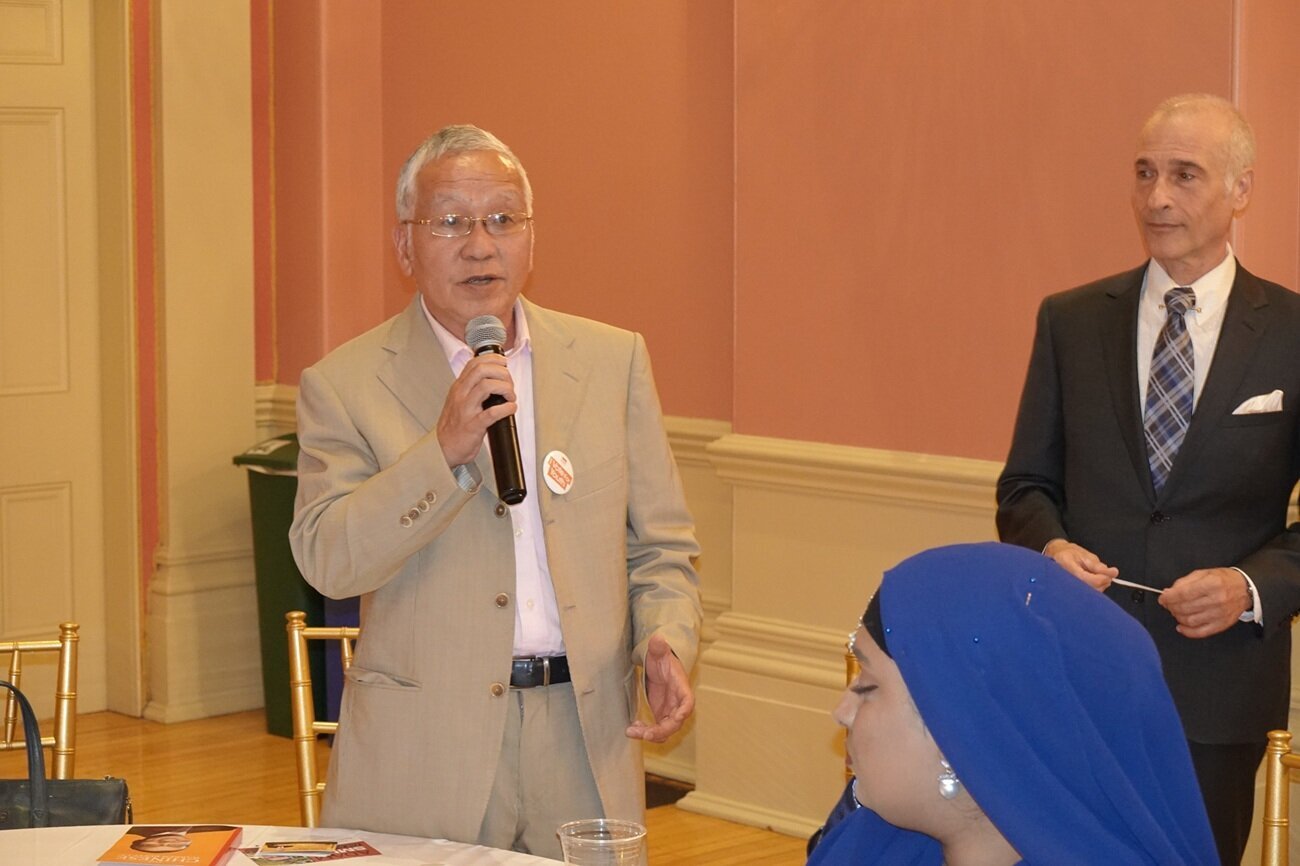
Toronto mayoral candidate Weizhen Tang discusses youth issues, including homelessness, during VOICES in the HALL 2026.
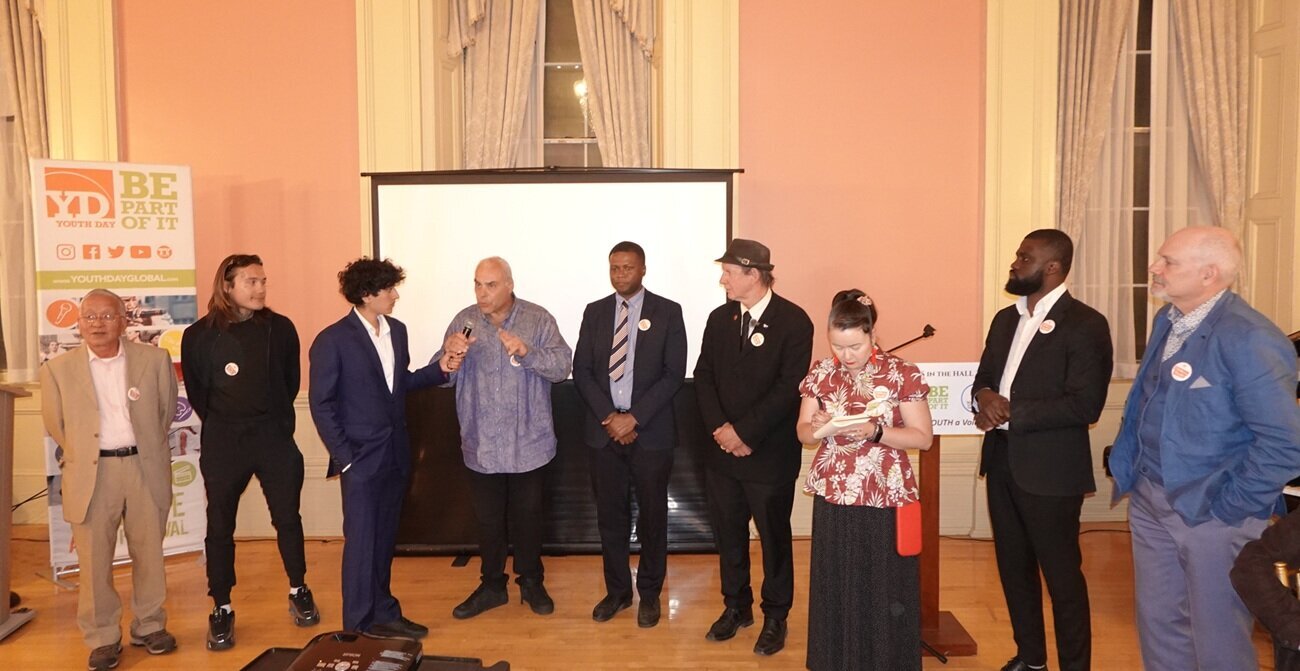
Candidates take the stage to answer questions from young participants during VOICES in the HALL 2026.
The policy discussions were interspersed with singing, dance and performances by children and young artists. Zlata Barchuk, identified by organizers as a YOUTH DAY Ambassador for Peace, performed “Earth Song” and original music accompanied by dancers. Morpheus Richards, a YOUTH DAY Ambassador for Diversity, presented a musical medley, while Carla Sacco, a former artistic director and board member of the Celebrations of Youth Organization, performed a medley from musical theatre.
Children and young people also took part in several stage performances, reinforcing the event’s emphasis on artistic expression as a path to confidence and public participation.
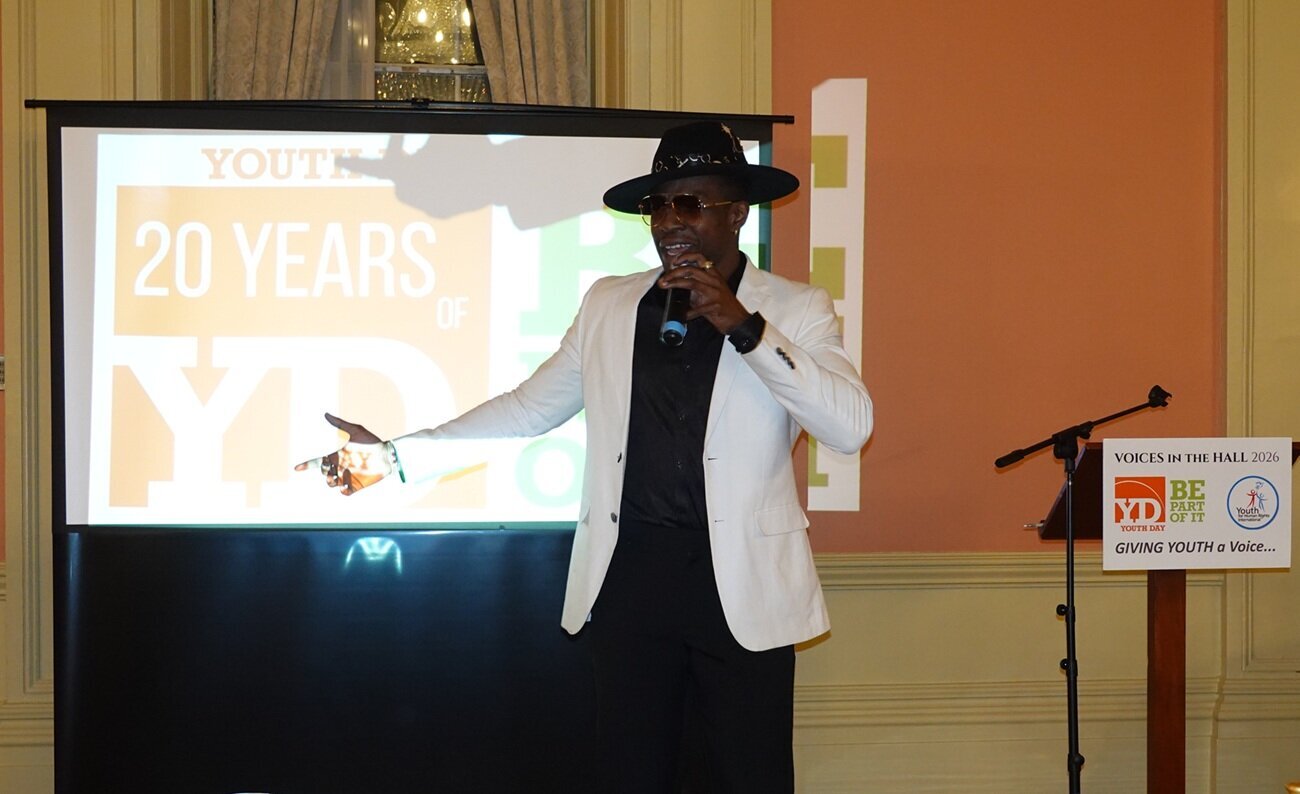
Morpheus Richards
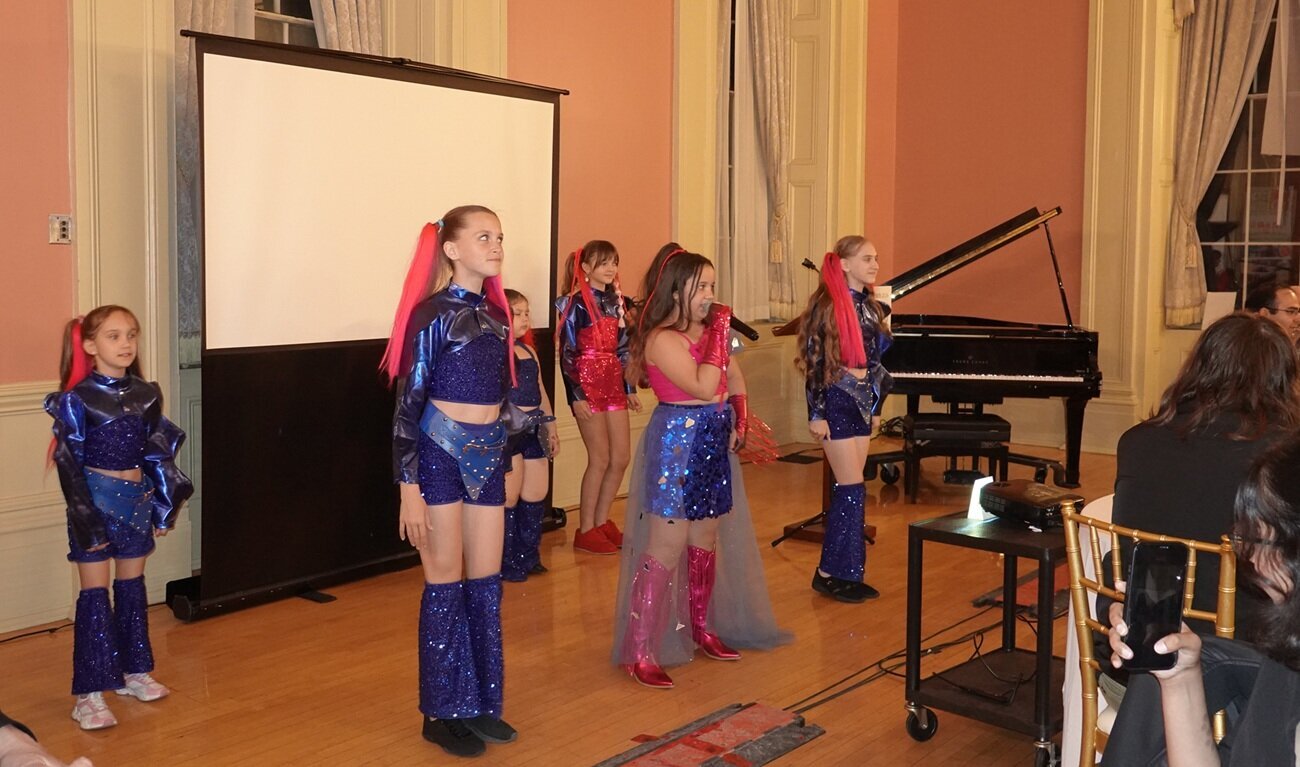
Zlata Barchuk
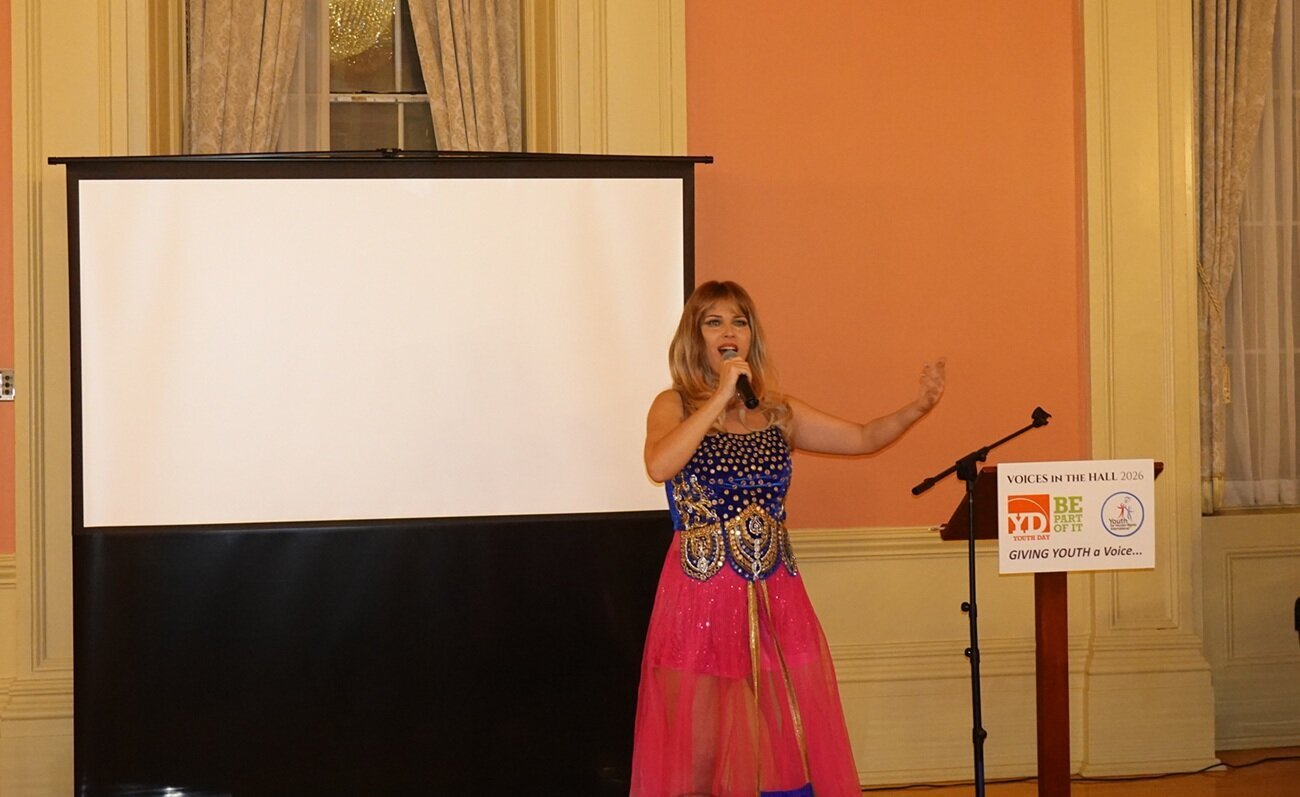
Carla Sacco
Nicole Crellin, director of the Canadian chapter of Youth for Human Rights International, also addressed the audience.
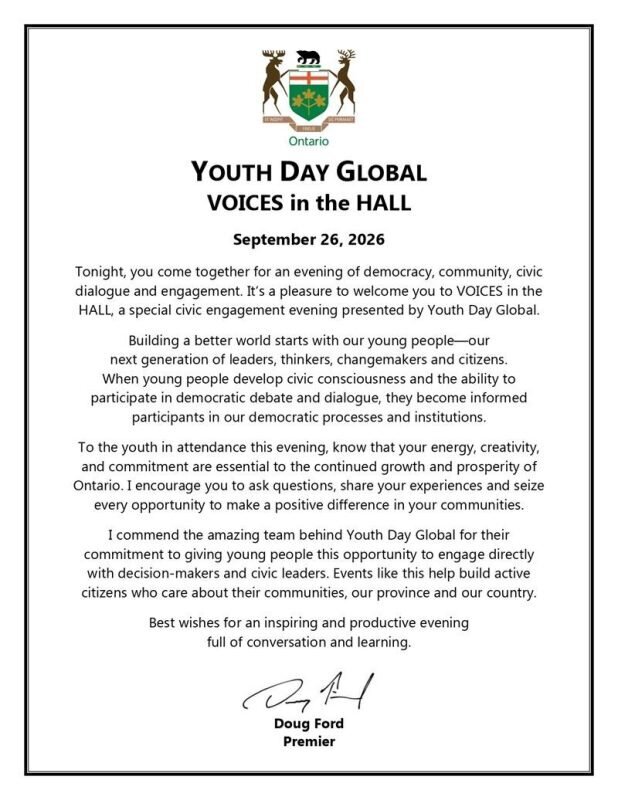
Ontario Premier Doug Ford sent a written message welcoming participants and commending YOUTH DAY Global for giving young people an opportunity to engage directly with decision-makers and civic leaders. Ford wrote that building a better world begins with young people and encouraged them to ask questions, share their experiences and make a positive difference in their communities.
Beyond the timed responses on stage, seven municipal candidates spoke separately with the media about their backgrounds and campaign priorities.
Toronto mayoral candidate Weizhen Tang said his experience managing four homes had changed his understanding of who is being affected by homelessness.
“One thing that really surprised me is that, in the four homes I manage, about 80 percent of the homeless residents are young people,” Tang said. “This tells us that homelessness is not just a problem affecting older or vulnerable adults—it is increasingly affecting our youth.”
Tang said homelessness had consequently become one of the central priorities of his campaign. Young people experiencing homelessness, he said, need more than temporary shelter.
“We need to give young people not only a safe place to live, but also real opportunities to rebuild their lives and become part of our city’s future,” he said.
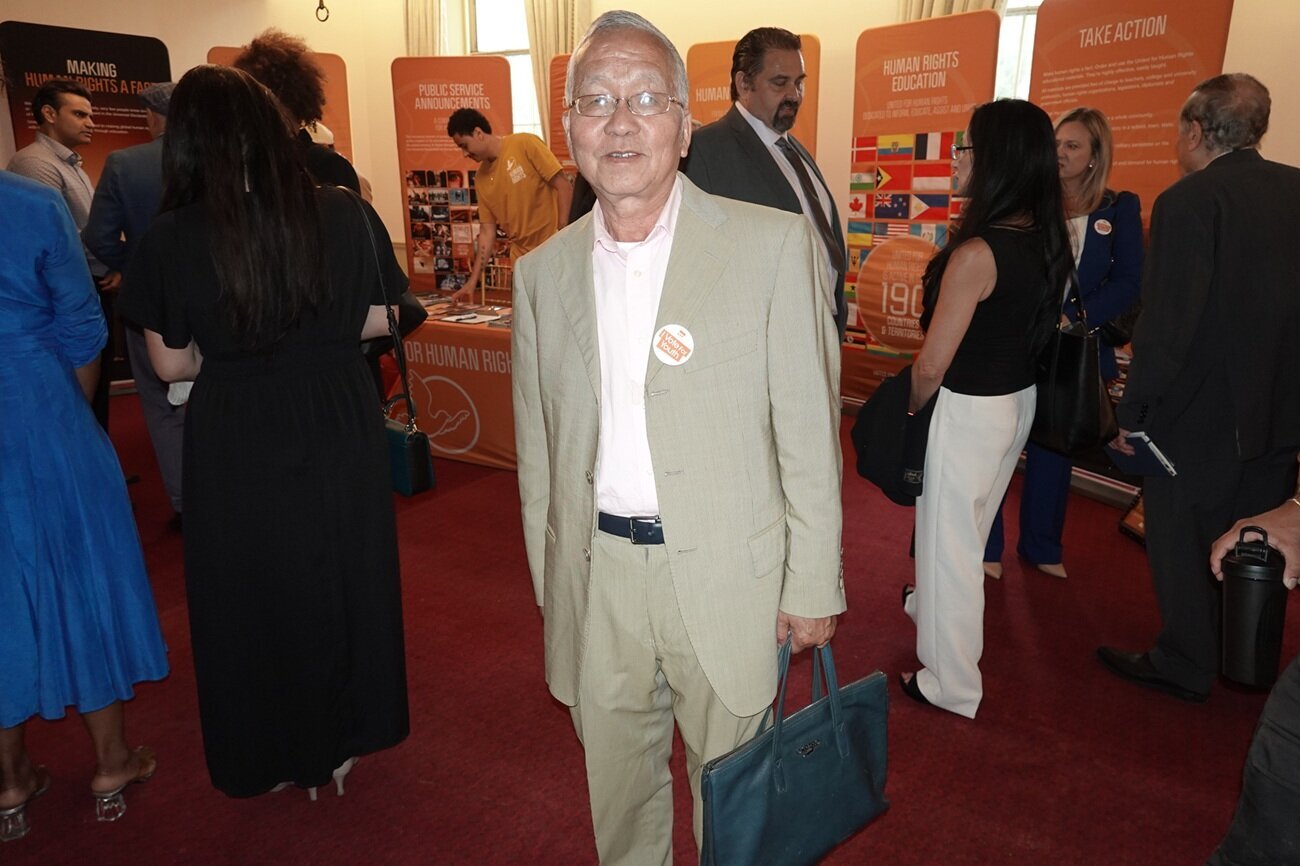
Weizhen Tang
Georgios Kalkounis, another candidate for mayor, described himself as a mechanical engineer who has lived in Toronto for 57 years and worked for about three decades in the Ontario public service. His roles included estimating, quantity surveying, contract preparation, procurement and management of operational standards. After leaving government, he worked as a consultant in the telecommunications industry, preparing agreements related to access to telecommunications networks in Canada and the United States.
Kalkounis said his 12-year-old grandson helped inspire his candidacy by questioning who was making long-term spending decisions that future generations would be expected to finance. Kalkounis said his public- and private-sector experience convinced him that Toronto requires fundamental organizational reform.
“Toronto’s situation is terrible. It is chaotic,” he said. “The whole corporate system needs to be reviewed, reassessed and restructured completely.”
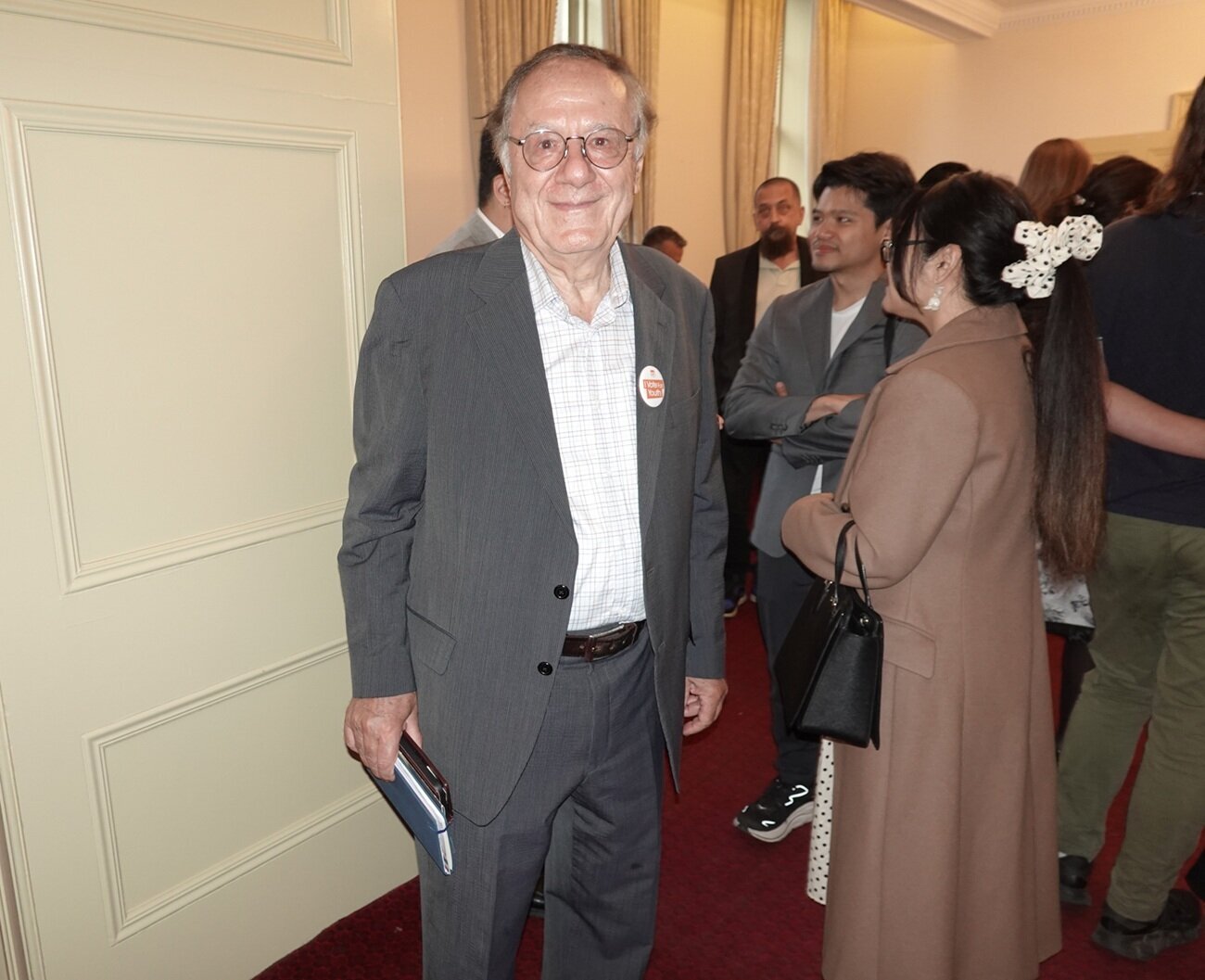
Georgios Kalkounis
Mayoral candidate Lyall Sanders said his central goal was to make Toronto safe and affordable for everyone. He called for lower property taxes and a fully publicly funded TTC so residents could travel to school, job interviews and work without transit fares adding to their financial burdens.
Sanders also argued that housing policy must be connected to mental-health and addiction services.
“People who are dealing with mental-health issues, people who are dealing with drug-addiction issues, need special care, but they also need housing,” he said. “The two things need to come together.”
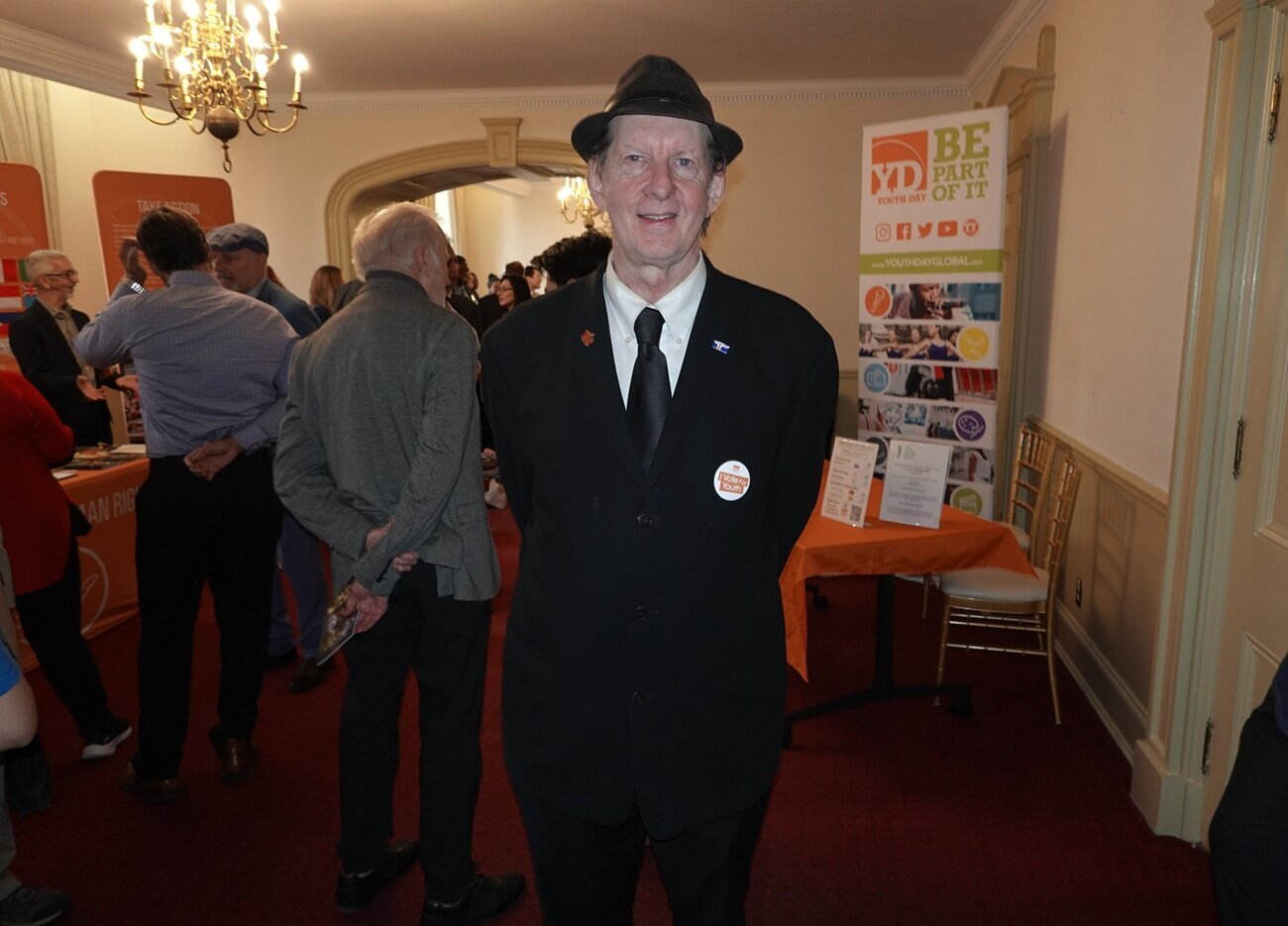
Lyall Sanders
Peter Handjis, also running for mayor, framed his campaign around public trust. He said Toronto voters should ask which candidate they could depend on to provide stability and responsible leadership. Handjis argued that the messages offered by leading candidates Olivia Chow, Brad Bradford and Chris Alexander had not given residents what he called a sufficient “comfort factor.”
His own platform, he said, could be summarized in three words: “peace, prosperity and perspective.”
Handjis said he wanted to govern a city in which residents felt safe, had the opportunity to prosper and could plan for the future with confidence in the mayor’s office.
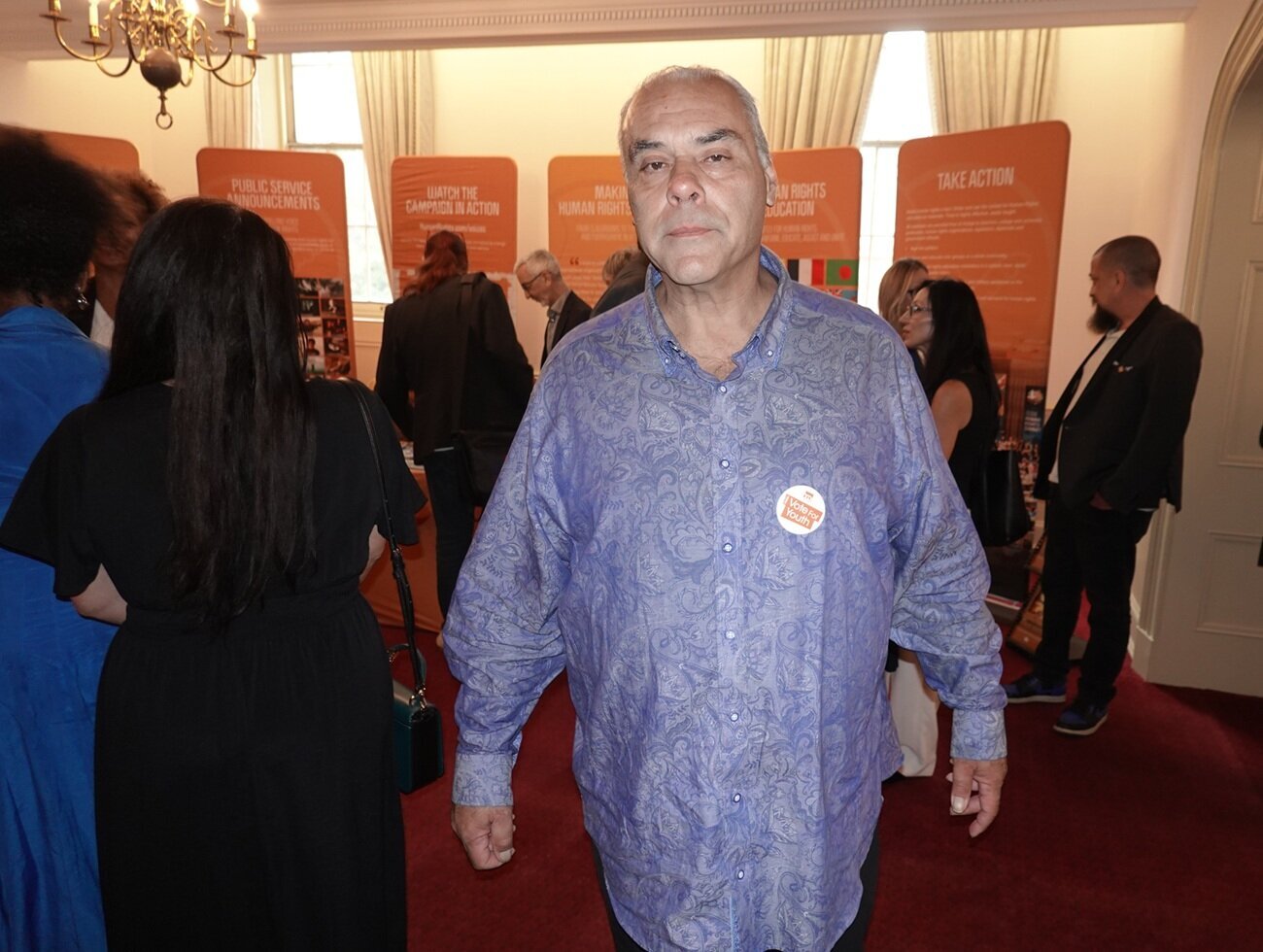
Peter Handjis
Xue Ding, a candidate for City Council in Ward 10—Spadina—Fort York, identified tax reform, community safety, transportation management and municipal efficiency as her principal priorities.
Ding said she had worked in Toronto’s financial district for 10 years and currently lives downtown, giving her direct experience with both the area’s opportunities and its growing pressures. She said she hoped to apply her professional knowledge in finance, technology and business to practical problems facing the ward and the city.
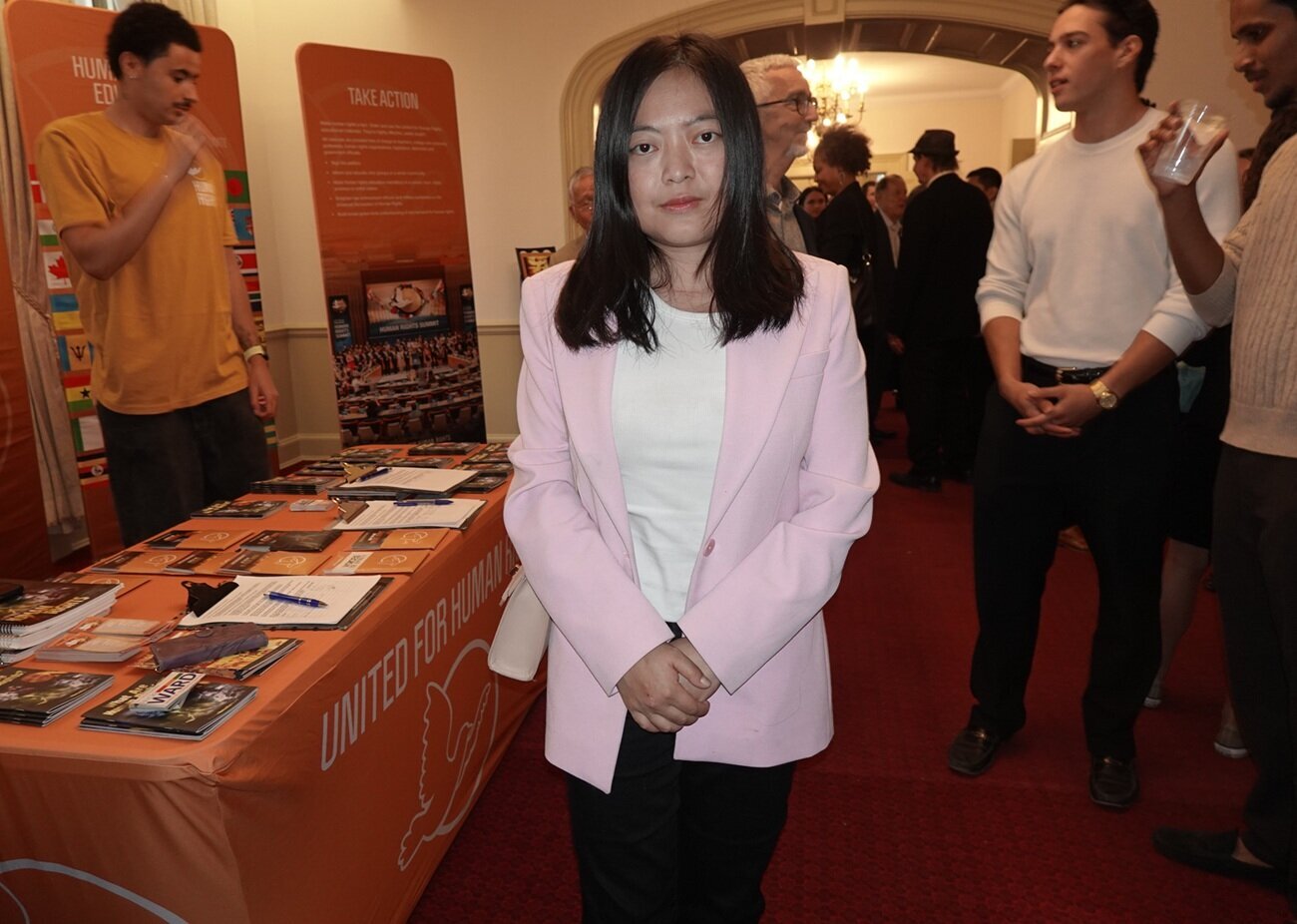
Xue Ding
Neil Simon, a candidate for City Council in Ward 9—Davenport, emphasized participation itself as an essential civic responsibility.
“Being a part of exercising our civic right is so important,” Simon said. “I would ask everyone in Toronto to participate. I believe that we can make a difference together.”
He said greater public participation could influence the motions and decisions made at City Hall and could also strengthen Toronto culturally.
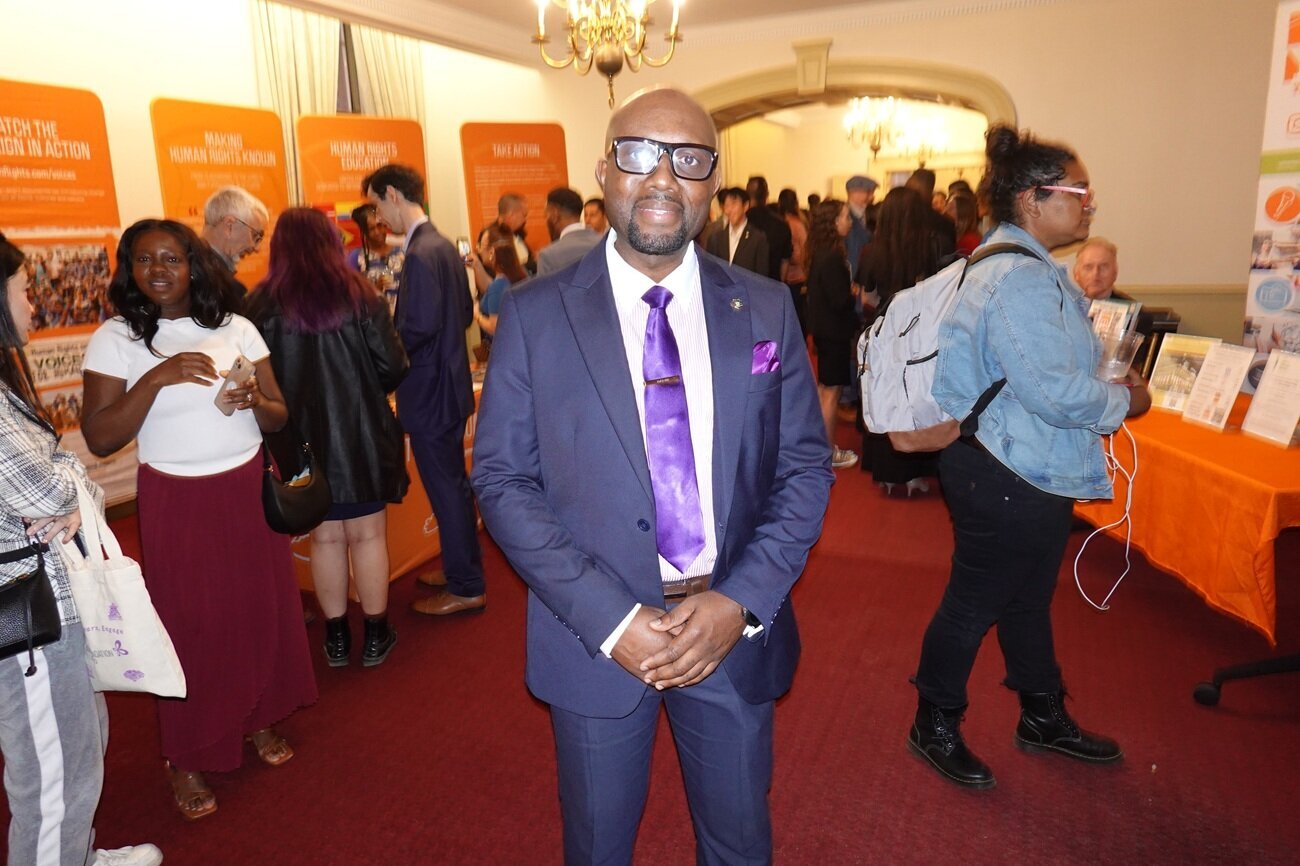
Neil Simon
Conroy Irving, a candidate for City Council in Ward 6—York Centre, said his campaign priorities were straightforward.
“My priorities are very clear: affordable housing, affordable housing and lower taxes,” Irving said.
He asked residents of York Centre to support his campaign for greater affordability and new representation at City Hall.
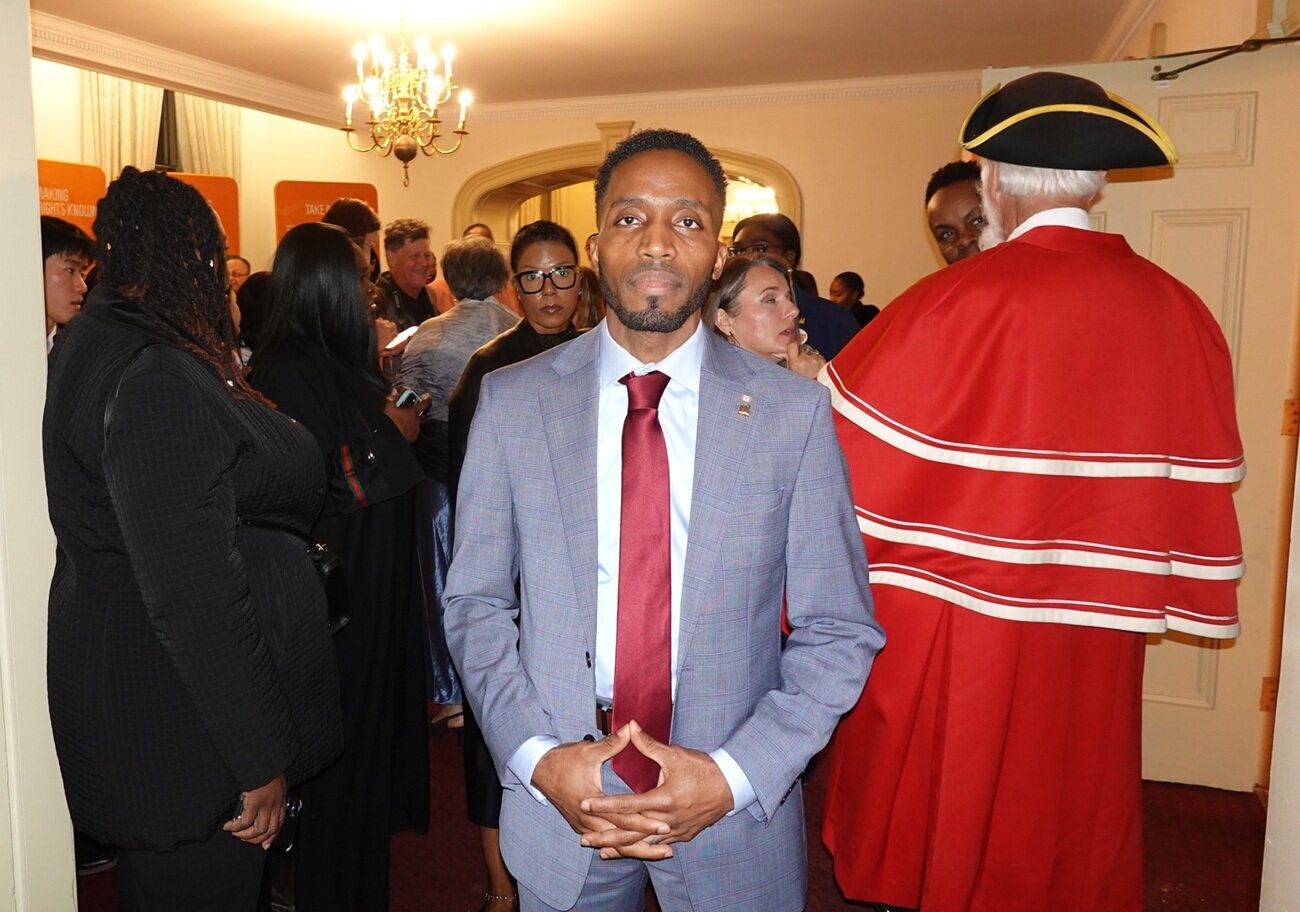
Conroy Irving
Duggan said YOUTH DAY was not designed from the top down. Young people themselves, she said, helped determine what the organization should become.
“I did not go out to build a program and then invite them,” she said. “They told me what to go and build. So really, it is the youth who own the design more than anything.”
Now celebrating its 20th anniversary, YOUTH DAY at its peak attracted more than 40,000 visitors in a single day at its longtime home at what was then known as Yonge-Dundas Square. The festival also featured a dedicated closure of Yonge Street from Dundas Street to Queen Street.
Duggan described the arts as a constructive and healing force that can give young people discipline, purpose and a reason to work toward a public goal. A young performer preparing to appear before a large audience, she said, may spend hours rehearsing instead of becoming involved in harmful activities.
Duggan said the civic forum extended that same principle from giving youth a stage to giving them a voice in municipal affairs.
“Tonight is about giving them a voice—again, a stage—and letting them get engaged in the municipal process,” she said.
She argued that low youth voter participation is partly connected to young people feeling that political leaders do not ask for their views. Candidates knocking on doors often speak to parents, she said, without asking the young people in the same household what concerns them.
Duggan also cautioned adults against assuming that today’s young people face the same world previous generations experienced. Earlier generations could more easily find weekend employment, she said, while today’s youth must navigate cyberbullying, social-media pressures and problems created by rapidly changing communications technology.
“We cannot design programs for people we are not,” she said. “What these children face today is very different from what we faced.”
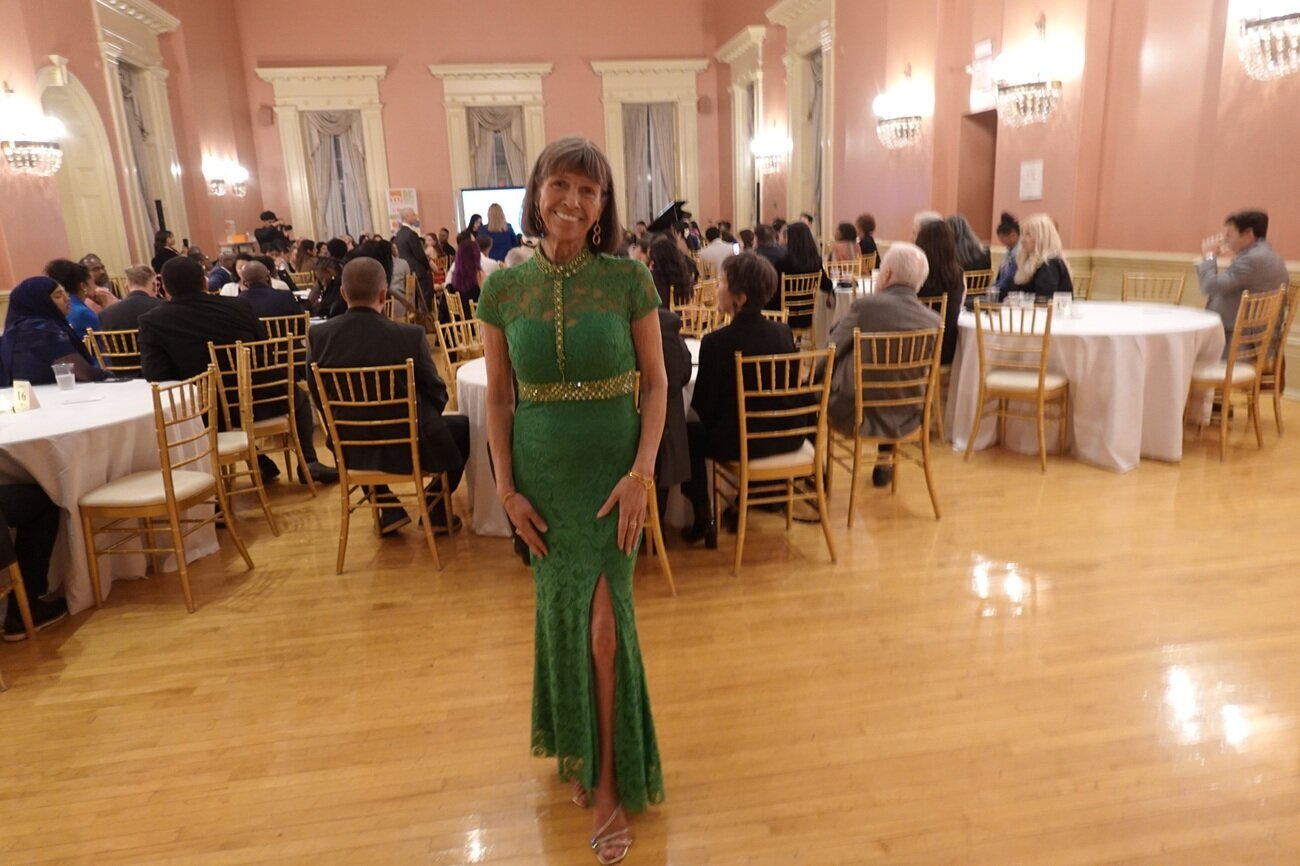
Tylaine J.F. Duggan
Following the final discussion on post-secondary access, inclusion and equal participation, Sacco’s musical-theatre performance brought the formal stage program toward its conclusion. Duggan and the YOUTH DAY team thanked the candidates, youth representatives, artists, volunteers, sponsors and community partners.
Guests then continued their conversations during a final networking period before the event concluded. Organizers also invited young artists to prepare for YOUTH DAY 2027 auditions, scheduled to open Feb. 1 and continue through April 30.
With Toronto’s municipal election set for Oct. 26, the evening left both candidates and young participants with a larger question: whether being invited to speak for one night can become sustained participation in the decisions that shape the city—and whether those seeking office will continue listening after the ballots are counted.
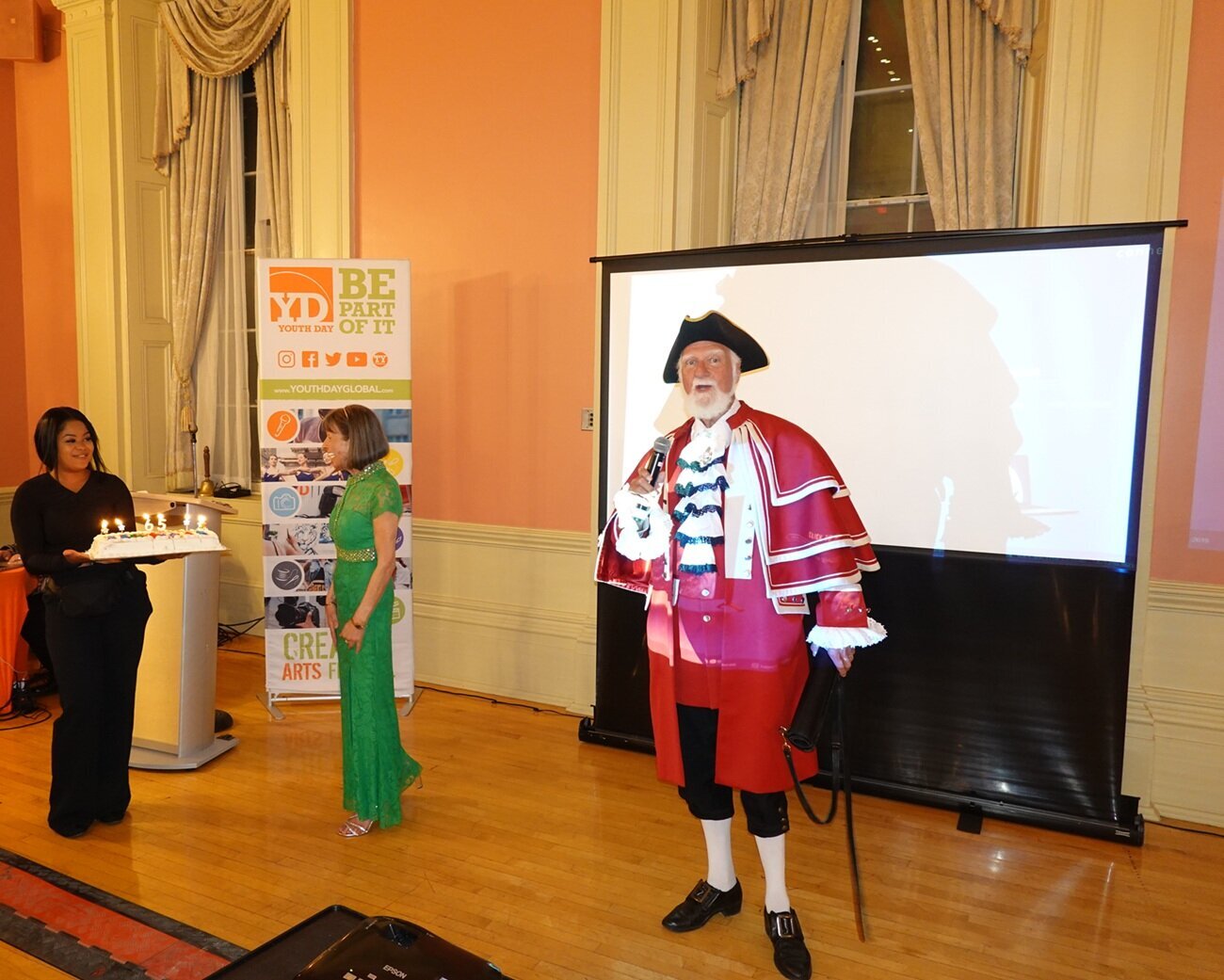
Markham Town Crier John Webster
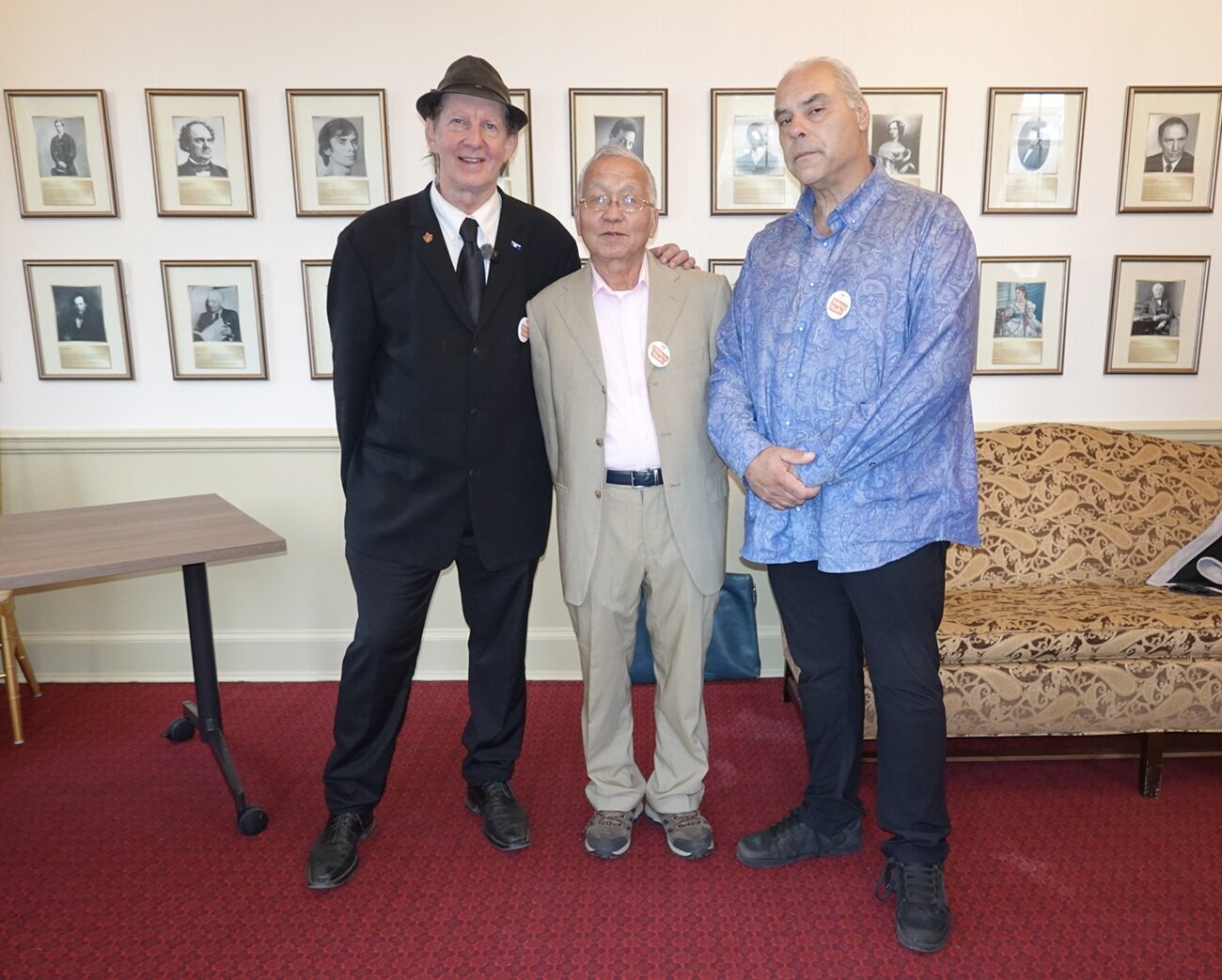
Toronto mayoral candidates Lyall Sanders, Weizhen Tang and Peter Handjis—all of whom also ran in the city’s 2023 mayoral by-election—pose together during VOICES in the HALL 2026.
Media contact:
Steven Zhao
Canada & World Report
zhao@canadanewsreport.com
Source: SubmitMyPR
Release ID: 2637846